
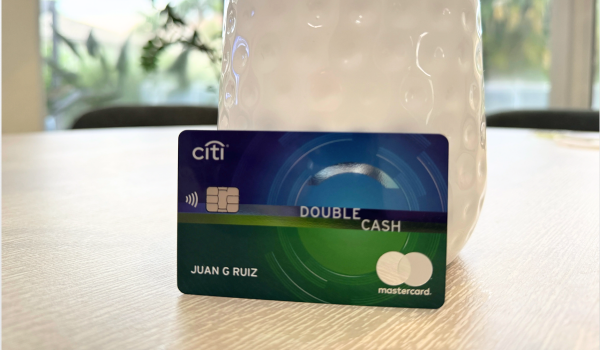
Choosing a cash back card in the United States can get confusing fast. Many cards advertise strong value, but that value often depends on rotating categories, limited-time bonuses, or spending habits that do not match real life. That is why Citi Double Cash® Card keeps attracting attention. It is built around a simpler promise.
Instead of asking cardholders to follow changing reward categories, this card focuses on a flat earning structure tied to how you spend and how you pay. For many Americans, that feels more practical than chasing temporary reward boosts. It is especially appealing for people who want a card they can keep using throughout the year without changing their routine.
The card also comes with no annual fee, which makes it easier to justify as an everyday option. On top of that, it includes a 0% introductory APR on balance transfers for 18 months from account opening, when transfers are completed within the first 4 months. After that, the card applies a variable APR of 17.49% to 27.49%, based on creditworthiness.
Why this card stands out
The biggest strength of Citi Double Cash® Card is that it keeps the reward model easy to understand. You earn 1% cash back when you buy, then another 1% as you pay for those purchases, for up to 2% total cash back. That setup gives the card a strong place in the no-annual-fee category.
For people who do not want to think about whether groceries, gas, dining, or streaming are in the right reward bucket that month, this kind of consistency matters. It can work well for households, young professionals, freelancers, and anyone who values routine over complexity.
Another reason the card gets attention is that it is not trying to be flashy. It does not lean on premium travel branding or luxury perks. Instead, it focuses on long-term usefulness. That makes it easier to compare against other everyday cards that promise similar value.
Who may benefit most from Citi Double Cash® Card
This card can make sense for applicants who want predictable rewards and a clean, low-maintenance setup. It fits especially well for people who:
- use one main card for daily purchases
- want cash back without rotating categories
- prefer a $0 annual fee
- may benefit from a long intro balance transfer period
- pay attention to value over branding
That said, not every borrower will get the same benefit. Someone who spends heavily in travel or dining may find stronger value with a category-based card. Someone looking for a major welcome bonus may also prefer a different offer. Citi Double Cash® Card is strongest when the goal is reliable ongoing rewards rather than short-term excitement.
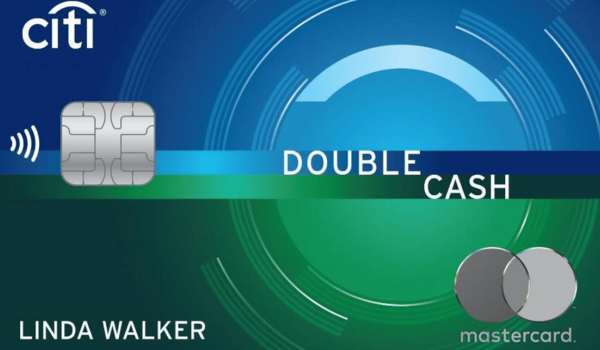
Citi Double Cash® Card
Is it hard to get approved
Many applicants want one simple answer here, but approval is never based on just one factor. Citi does not publish a fixed minimum credit score for this card. That means any website claiming a guaranteed score cutoff is oversimplifying the process.
In the U.S. credit market, issuers usually look at several things at once. Your score matters, but so do your recent payment history, total debt, credit utilization, income, and recent applications. A person with a decent score but high balances may look riskier than someone with a slightly lower score and cleaner overall credit behavior.
In general, this type of mainstream rewards card tends to be a better match for people with decent to good credit, rather than applicants who are still rebuilding from major credit problems.
What can improve your odds
A stronger application often starts before you ever click the apply button. Timing matters. So does the condition of your credit profile when the issuer reviews it.
A few moves can help:
- lower your revolving balances before applying
- avoid applying for several cards close together
- check your credit reports for errors
- report income carefully and honestly
- wait if your utilization is unusually high
One of the most overlooked details is utilization. If your credit cards are reporting high balances, even if you plan to pay them soon, your profile can still look stretched. Bringing balances down before the statement closes can improve how your file appears to lenders.
Another important point is choosing the right card for your current profile. A consumer with serious recent negatives or very poor credit is usually not in the strongest position for a mainstream flat-rate cash back card. In those cases, a secured card or a credit-building option may be the smarter first step.
Do you need a traditional job
Not necessarily. In the United States, card approval is tied more to ability to repay than to one specific type of employment. That means income may come from a traditional job, self-employment, contract work, freelance work, or other eligible sources that can be reported accurately.
This is important for gig workers, consultants, and self-employed applicants. You do not need a classic W-2 paycheck to apply. What matters is that the income is real, supportable, and sufficient relative to your obligations.
Balance transfers and APR: what borrowers should understand
Citi Double Cash® Card can be attractive for people who want to move an existing balance because of its long intro offer on balance transfers. That feature can create real value for the right borrower, especially if there is a clear plan to reduce debt during the intro window.
Still, it is important to keep expectations grounded. This is not an installment loan with fixed monthly payments. It is a revolving credit card. After the intro period ends, the APR becomes variable, and that can make carried balances much more expensive over time.
That is where many borrowers make mistakes. A card that looks rewarding on paper can become costly if interest starts offsetting the cash back. The reward structure works best when the account is managed carefully and payments stay consistent.
How the card compares with competing options
The real position of Citi Double Cash® Card becomes clearer when compared with other well-known U.S. cards in the same general space.
What really works
This card has a $0 annual fee. That means you can keep it in your wallet without paying a yearly maintenance cost, which makes it more attractive for people who want ongoing rewards without an extra fixed expense.
Citi Double Cash® Card offers up to 2% cash back on purchases. You earn 1% when you buy and another 1% when you pay. This structure works well for people who want simple, steady rewards on everyday spending.
The card includes 0% intro APR on balance transfers for 18 months from account opening, as long as transfers are completed within the first 4 months. This can help people who want more time to pay down transferred debt.
After the introductory period, the APR becomes 17.49% to 27.49% variable, based on creditworthiness. This is the standard ongoing interest range, so it is important to understand the long-term cost of carrying a balance.
This card is a strong option for people who want simple cash back, no annual fee, and a practical everyday card. It is especially appealing for users who prefer predictable rewards instead of rotating categories.
This comparison highlights an important difference. Citi Double Cash® Card is attractive for people who want flat cash back and a long intro balance transfer period. Wells Fargo Active Cash® Card may feel more straightforward to users who prefer a simple 2% return without the two-step reward structure. Chase Freedom Unlimited® can outperform both in certain spending patterns, but only if the user benefits from its category rewards.
How to apply more strategically
Applying for a card should not be treated like a random test. A stronger approach is to review the current public terms first, decide whether the card’s features truly match your goal, and then submit an application only when your profile is in good shape.
Before applying, gather the basics you will need:
- personal identification details
- housing information
- income information
- a clear plan for how the card will be used
That last point matters more than many people expect. Some applicants want the card for balance transfers. Others want it as an everyday spending card. Some want both. The best way to evaluate the product is to decide which role it will play before opening the account.
If approved, setting up autopay early is a smart move. Since part of the card’s reward structure depends on paying for purchases, payment discipline is central to getting the most value from it.
Can you get approved with bad credit
It is possible, but it is not the most realistic target for someone with heavily damaged credit. If a profile includes recent charge-offs, collections, serious delinquencies, or very high utilization, approval odds are usually weaker.
That is why repeated applications can backfire. A person who is already struggling with a thin or damaged file often does more harm by chasing denials than by pausing and rebuilding first. A better path may be to strengthen the profile, reduce balances, and return later with stronger odds.
What to do if you are denied
A denial does not always mean the card is permanently out of reach. In many cases, it simply means the timing was wrong.
A better next step could be:
- improving payment history for several months
- lowering utilization
- building with a secured product
- limiting new hard inquiries
- waiting before trying again
Patience usually works better than rushing into another application. Credit card strategy is often about sequence. The strongest rewards products tend to be easier to access after the foundation is already in place.
Final verdict
Citi Double Cash® Card remains a strong option for Americans who want a cash back card that feels predictable and practical. The $0 annual fee adds flexibility, the up to 2% cash back rate stays competitive, and the long intro balance transfer period can deliver real value for the right borrower.
At the same time, this card is not a perfect fit for everyone. It is less exciting for people chasing premium perks or a major welcome offer. It is also less forgiving for borrowers who expect to carry balances long after the intro APR ends. The best fit is someone who wants steady value, clear mechanics, and a card that can stay useful well beyond the first few months.
Citi Double Cash® Card

 Chase Freedom Unlimited for U.S. readers who want rewards without an annual fee <p class='sec-title' style='line-height: normal; font-weight: normal;font-size: 16px !important; text-align: left;margin-top: 8px;margin-bottom: 0px !important;'>Chase Freedom Unlimited review for U.S. readers with APR details, approval tips, score guidance, alternatives, and a useful card comparison.</p>
  Capital One Venture Rewards review for Americans who want travel miles without a confusing rewards system <p class='sec-title' style='line-height: normal; font-weight: normal;font-size: 16px !important; text-align: left;margin-top: 8px;margin-bottom: 0px !important;'>Capital One Venture Rewards offers flat miles, travel perks, and flexible value. See fees, APR, approval tips, and alternatives for your profile.</p>