

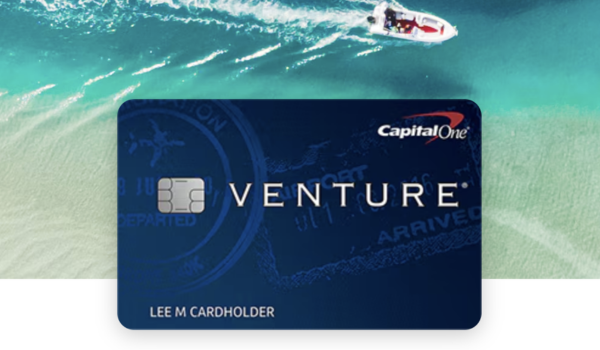
For many U.S. cardholders, Capital One Venture Rewards looks appealing because it offers a simple miles structure instead of a long list of rotating categories. The card currently has a $95 annual fee, earns unlimited 2X miles on every purchase, gives 5X miles on hotels, vacation rentals, and rental cars booked through Capital One Travel, and includes a limited-time offer of a $250 Capital One Travel credit in the first cardholder year plus 75,000 bonus miles after $4,000 in purchases within the first 3 months. It also charges a variable APR of 19.49% to 28.49% and does not add foreign transaction fees.
That setup makes the card easier to understand than many travel products in the U.S. market. Instead of changing how you spend just to match bonus categories, you can use the same card for groceries, gas, dining, subscriptions, and travel. As a result, it often attracts people who want a rewards card that feels practical every month, not only during vacations.
Why this card can be a smart choice
The main strength of this product is balance between simplicity and travel value. Some travel cards force users into airline loyalty programs or narrow portals. Others give decent rewards, but only in one or two spending categories. This card avoids both problems because the base earning rate stays the same across everyday purchases, while travel bookings through Capital One Travel receive a higher return. Therefore, the card can work well for both frequent travelers and people who only take a few trips each year.
The benefits stand out in daily use:
- unlimited 2X miles on purchases
- 5X miles through Capital One Travel
- no foreign transaction fees
- Global Entry or TSA PreCheck credit
- a welcome offer with real first-year value
Even so, the best use case is clear: this is a rewards card, not a cheap borrowing tool. If you plan to revolve debt, the variable APR can erase much of the value you gain from miles. Because of that, fixed monthly payments vs. variable APR options matter here. This card favors cardholders who usually pay in full, not consumers looking for installment-style affordability.

Capital One Venture Rewards
Approval requirements and what really matters
A common question is simple: what score do I need to qualify. Capital One does not publish a guaranteed minimum required credit score for this card on the public product page. However, it clearly positions the card for applicants with excellent credit. In practice, that usually means stronger odds for people with a long positive history, lower credit utilization, and fewer recent hard inquiries.
Approval is not based on one score alone. U.S. issuers usually review a mix of elements tied to risk and repayment capacity. That includes your recent credit activity, payment history, overall debt load, and income profile. So, an applicant with a decent score but very high utilization may look weaker than someone with a similar score and cleaner usage patterns. For that reason, the score threshold matters, but the rest of the file matters too.
Here are the practical factors many applicants should review before applying:
- credit history and recent delinquencies
- number of recent applications
- percentage of available credit already used
- stable and reportable income
- overall debt compared with income
Do you need a traditional full-time job. Not necessarily. A credit card for self-employed or 1099 workers is possible in the United States when the person has legitimate income and can report it accurately. Freelancers, contractors, and business owners may qualify if the rest of the application supports the risk decision. That is much more realistic than assuming employment status alone decides the outcome.
How to increase approval odds
The easiest strategy is also one of the most useful: do not apply blindly. If a pre-approval option is available, use it first. Then review your balances, your recent inquiry activity, and the age of your accounts. Many denials happen because people submit an application while their credit profile still looks stretched, even when their long-term finances are not terrible. Therefore, timing often matters almost as much as score.
Simple and advanced moves can improve the odds:
- pay cards down before the statement date
- avoid opening several accounts in a short period
- check that your income is current and accurate
- wait if you recently had multiple hard pulls
- keep older accounts open when possible
Some less obvious advice is worth mentioning too. In the U.S. credit card market, “negotiating directly with the bank manager” is usually far less relevant than people imagine, especially for national issuers with centralized underwriting. Relationship history can help at some institutions, but it rarely overrides a weak credit file for a travel card designed for strong borrowers. That means the little-known tips that actually matter are usually profile-based, not personal-connection-based. A better hidden tactic is lowering utilization just before the issuer reviews your file.
Also, be careful with unrealistic promises online. You may see claims like “a self-employed client with a 420 score got approved.” In real market conditions, that would be an extreme exception, not a planning benchmark. For most consumers, a file at that level belongs in a secured or rebuilding product first. That is why honest comparison content should separate aspirational stories from probable approval standards.
How to apply step by step
The application flow itself is straightforward. First, review the current public offer and confirm that the welcome bonus matches your spending habits. Second, gather your income details, housing payment, and personal information. Third, submit the online application carefully, because small mistakes can slow the process or weaken confidence in your file. Fourth, if approved, set up autopay and plan your first three months of spending so the bonus threshold fits expenses you already intended to make.
This last point is important because welcome offers can tempt people to overspend. A good bonus is valuable only when it fits your normal budget. Otherwise, the reward becomes expensive. So, even though the current offer is attractive, it should be treated as a bonus to disciplined spending, not as a reason to buy more than usual.
Comparison list with other U.S. travel cards
What really works
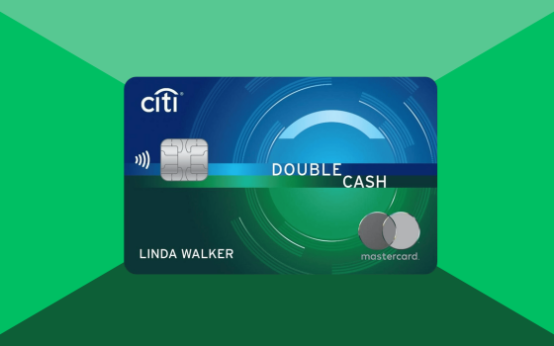
The Citi Double Cash® Card is tied for the best option in this category, with a $0 annual fee. It matches both the Wells Fargo Active Cash® Card and the Chase Freedom Unlimited®, so there is no disadvantage here for Citi on yearly cost.
The Citi Double Cash® Card stands out as one of the strongest products in the comparison for simple everyday rewards. It offers 2% cash back through its buy-and-pay structure, which can be very appealing for users who want flat-rate value without tracking spending categories. Compared with Chase, Citi’s setup is more straightforward.
The Citi Double Cash® Card delivers a solid intro offer with 18 months on balance transfers, which is the longest balance transfer intro period shown in this table. Even though it does not include a 0% intro APR on purchases like some competitors, it performs very well for users focused on transferring existing balances.
In the ongoing APR category, the Citi Double Cash® Card compares well overall. Its range starts at 17.49% variable, which is lower than the starting APR shown for both Wells Fargo Active Cash® Card and Chase Freedom Unlimited®. That gives Citi an edge at the low end of the APR range.
The Citi Double Cash® Card stands out as the best overall balance in this comparison for users who want no annual fee, flat-rate cash back, and a strong balance transfer intro period. It may not have the category-based upside of some competitors, but its value proposition is clear, practical, and easy to understand.
This comparison shows where Venture sits in the market. Chase Sapphire Preferred appeals more to people who want richer category-based travel and dining rewards. Bank of America Travel Rewards fits users who want no annual fee and a lighter commitment. Venture Rewards stands in the middle: not as stripped down as a no-fee card, but not as category-dependent as some competitors. That is why it often suits people who want one dependable travel card without turning rewards into a hobby.
Can I get approved with bad credit or negative marks
Possibly, but this is not the most realistic target for damaged credit. If you have recent collections, serious delinquencies, or very high utilization, approval becomes harder. In that situation, repeated applications can make things worse by adding fresh inquiries without solving the problem. Therefore, consumers with weaker profiles are often better served by lower-tier rewards cards or secured options before aiming at a travel card marketed for excellent credit.
Alternatives for people who do not qualify
If you are denied, the smartest move is usually to pause and reassess. Capital One’s own comparison pages show lower-cost alternatives such as VentureOne, which has no annual fee and earns at a lower rate. That can be a better entry point for applicants who want travel rewards but are not ready for the Venture approval standard or annual fee. Meanwhile, people focused on affordability may prefer a no-fee competitor instead of chasing a premium welcome offer.
Capital One Venture Rewards can be worth it when your profile and habits line up
This card makes sense for Americans who want travel rewards without a complicated strategy, who value flat-rate earning, and who usually avoid carrying balances. It is less convincing for people who need low-cost borrowing, since rates from 3.99% APR are not what this product offers. The actual public APR is much higher, so the card works best when rewards stay ahead of fees and interest. Compare the annual fee, the redemption style, and your approval odds with honesty, then choose based on your real spending life, not just the headline bonus.
Capital One Venture Rewards

 Chase Freedom Unlimited for U.S. readers who want rewards without an annual fee <p class='sec-title' style='line-height: normal; font-weight: normal;font-size: 16px !important; text-align: left;margin-top: 8px;margin-bottom: 0px !important;'>Chase Freedom Unlimited review for U.S. readers with APR details, approval tips, score guidance, alternatives, and a useful card comparison.</p>
  Citi Double Cash® Card review for Americans who want simple, steady cash back <p class='sec-title' style='line-height: normal; font-weight: normal;font-size: 16px !important; text-align: left;margin-top: 8px;margin-bottom: 0px !important;'>Citi Double Cash Card offers no annual fee, solid cash back, and a long intro balance transfer APR. See fees, approval tips, and alternatives.</p>