
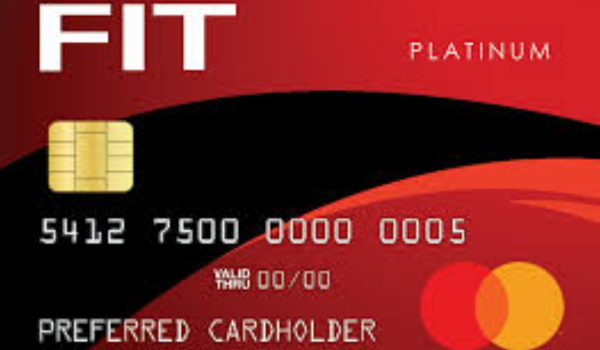
FIT Mastercard
Credit bureau reporting No security depositApplying for the FIT™ Mastercard® can feel like a possible reset when traditional credit cards are out of reach. For many U.S. consumers with damaged, limited, or uneven credit history, an unsecured card that reports monthly to the major credit bureaus may seem more accessible than waiting for a prime issuer.
However, this card requires careful review before applying. It may help with credit reporting, but it can also come with high costs. Therefore, the best decision depends on whether the card supports your rebuilding plan without creating new pressure.
Main benefits of the credit card
The main benefit is access. FIT™ Mastercard® is designed for people who may not qualify for many mainstream cards. Since it does not require a refundable security deposit, it can feel easier for applicants who cannot lock money into a secured account.
Another advantage is credit bureau reporting. The card servicer says payment performance is reported monthly to Experian, Equifax, and TransUnion. That matters because payment history can support credit improvement when the cardholder pays on time and keeps balances low.
The card also offers Mastercard acceptance. That means it can be used at many merchants in the U.S. and abroad where Mastercard is accepted. Still, foreign transaction fees may apply, so travel use should be limited.
The card may help users who want:
- An unsecured card for rebuilding credit
- No refundable security deposit
- Monthly credit bureau reporting
- Mastercard acceptance
- A modest starting credit limit
Even so, the card is not focused on rewards. It should be treated as a temporary credit-building tool, not a long-term everyday rewards card.
Possible drawbacks before applying
The biggest drawback is cost. FIT™ Mastercard® may include a processing fee, annual fee, and monthly maintenance fee after the first year. These fees can reduce the practical value of the initial credit limit.
Another issue is the high APR. If you carry a balance, interest can make the card expensive quickly. Because of that, this product works best only when used for small purchases that can be paid in full.
The initial credit limit is also modest. A $400 limit can help start credit activity, but fees and balances can make utilization look high. For example, even a small balance may represent a large percentage of the limit.
Finally, there are no cash back rewards. Compared with Discover it Secured or Bank of America Customized Cash Rewards Secured, the card may offer less long-term value for users who can afford a refundable deposit.
Requirements and documentation for approval
Applicants should expect a review of identity, income, credit history, debt, and ability to manage payments. The card may be more accessible than prime cards, but approval is not guaranteed.
You may need to provide:
- Full legal name and U.S. residential address
- Social Security number or eligible tax identification
- Date of birth
- Annual income
- Employment or income source
- Monthly housing payment
- Phone number and email
- Bank account information, when requested
Self-employed applicants, freelancers, contractors, and 1099 workers may apply with eligible income. However, income should be reported accurately. In addition, applicants should compare the card’s fees with secured alternatives before accepting.
FIT™ Mastercard®
“`htmlWhat really works
FIT™ Mastercard® can stand out because it does not require a refundable security deposit. That may help users who cannot place $200 or $300 into a secured card account.
However, no deposit does not mean low cost. Discover it Secured or Capital One Platinum Secured may require deposits, but those deposits can be refundable. FIT™ Mastercard® may charge fees that are not returned.
Credit reporting is one of the strongest points. The card servicer reports payment performance to Experian, Equifax, and TransUnion every month.
That can help users build history when payments are on time and balances stay low. Still, late payments or high utilization can hurt credit instead of helping it.
APR is a major limitation. FIT™ Mastercard® can become expensive if the cardholder carries a balance from month to month.
Compared with many secured cards or credit union starter cards, the cost of borrowing may be less attractive. The safest use is charging small amounts and paying in full.
FIT™ Mastercard® does not lead in rewards. It is mainly a credit access product, not a cash back or travel card.
If rewards matter, Discover it Secured or Bank of America Customized Cash Rewards Secured may offer better value. FIT™ Mastercard® only makes more sense when unsecured access is the main priority.
The overall value depends on the user’s situation. For someone who cannot qualify elsewhere and cannot afford a deposit, the card may provide a credit-reporting opportunity.
However, users who can qualify for a lower-cost secured card should compare carefully. Fees, APR, and available credit can make a big difference over time.
This accordion shows that FIT™ Mastercard® can help in specific rebuilding situations. Still, the card’s costs should be reviewed before applying, because credit access only helps when it does not create new financial strain.
Why FIT™ Mastercard® can work only with a clear rebuilding plan
The FIT™ Mastercard® can be useful for consumers who need unsecured credit access and want monthly reporting to the major credit bureaus. It may support rebuilding when used lightly, paid on time, and managed with strict balance control.
However, the card is not a low-cost option. Before applying, compare the processing fee, annual fee, monthly maintenance fee, APR, credit limit, and secured card alternatives. The best rebuilding card is the one that helps your score without draining your budget.
Want to know how to get approved faster? See the next page.
SEE HOW TO APPLY
By clicking, you will remain on this website

 How to apply for the Surge® Mastercard® and rebuild credit without ignoring the fees <p class='sec-title' style='line-height: normal; font-weight: normal;font-size: 16px !important; text-align: left;margin-top: 8px;margin-bottom: 0px !important;'>See how Surge Mastercard works, including approval requirements, APR, fees, credit reporting, drawbacks and lower-cost card alternatives.</p>
  How to get the Serve® Pay As You Go Visa® and control spending without a credit check <p class='sec-title' style='line-height: normal; font-weight: normal;font-size: 16px !important; text-align: left;margin-top: 8px;margin-bottom: 0px !important;'>See how Serve Pay As You Go Visa works, including no credit check access, prepaid benefits, fees, drawbacks and smart alternatives.</p>