
Discover the biggest mistakes in a job interview that could be costing you opportunities. Knowing what to avoid is crucial for success. In this post, we’ll cover common pitfalls, preparation tips, and essential advice to make a great impression. Stay tuned to ensure you’re fully prepared for your next interview.
Common Pitfalls During Job Interviews

One of the most common pitfalls during job interviews is lack of preparation. Many candidates fail to research the company thoroughly and understand the role they are applying for, resulting in vague or irrelevant answers.
Another frequent mistake is poor body language. Avoid crossing your arms, maintaining a rigid posture, or failing to make eye contact. These actions can make you appear disinterested or unconfident.
Additionally, rambling responses can harm your interview performance. Keep your answers concise and focused, directly addressing the questions asked.
It’s also crucial to avoid speaking negatively about previous employers or colleagues. This can be viewed as unprofessional and counterproductive.
Lastly, forgetting to ask questions when given the opportunity can signal a lack of genuine interest in the role or company. Prepare thoughtful questions in advance.
How to Prepare to Avoid Common Interview Mistakes
When preparing for a job interview, it’s crucial to anticipate common mistakes that candidates often make. One of the most significant errors is failing to research the company thoroughly. Engage in comprehensive research about the company’s history, mission, values, and recent news. This demonstrates genuine interest and allows you to tailor your responses to align with the company’s goals.
Another critical aspect is practicing your answers to typical interview questions. Role-play scenarios can be incredibly beneficial. You could practice with a friend or mentor, focusing on delivering clear, concise, and confident responses. Avoid rambling by structuring your answers using the STAR method (Situation, Task, Action, Result).
Non-verbal cues play an essential role in interviews. Make a conscious effort to maintain good eye contact, a firm handshake, and positive body language. Sit up straight and show enthusiasm through your expressions. Avoid crossing your arms or appearing disinterested, as this can negatively impact the interviewer’s perception.
Punctuality is also a key factor. Plan your route in advance and allow extra time for unexpected delays. Arriving late can set a negative tone for the interview. Aim to arrive 10-15 minutes early to demonstrate your punctuality and eagerness.
Additionally, dress appropriately for the industry and company culture. When in doubt, err on the side of being slightly more formal. Your appearance should reflect professionalism and respect for the opportunity.
Finally, prepare insightful questions to ask the interviewer. Inquiring about the company’s future plans or team dynamics shows that you are genuinely interested in the role and the organization. Avoid questions about salary in the initial interview; focus instead on how you can contribute to the company’s success.
By addressing these areas, you can minimize common interview mistakes and present yourself as a well-prepared and thoughtful candidate.
Essential Tips to Leave a Positive Impression
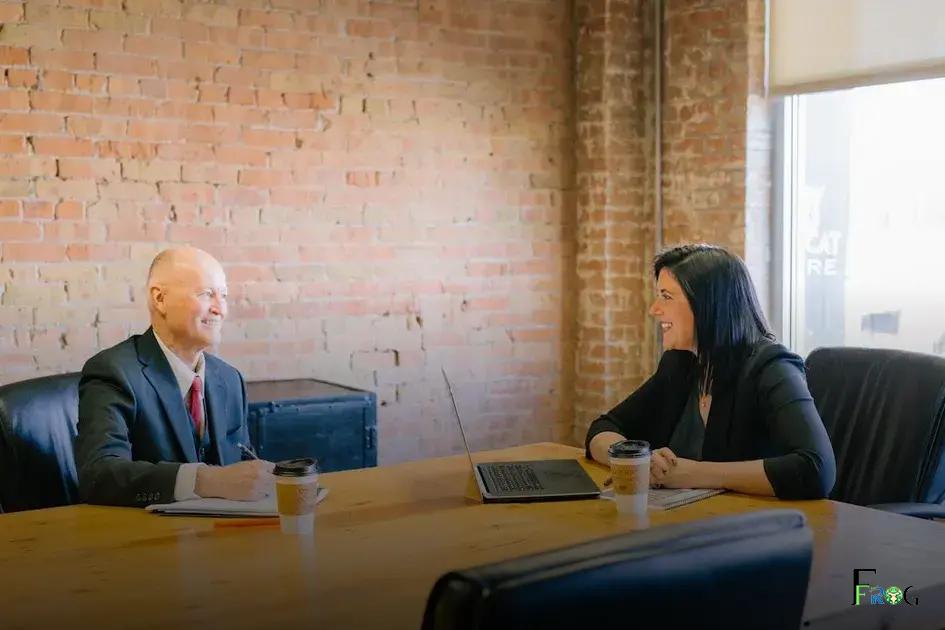
Making a good impression during a job interview can significantly influence the hiring decision. Firstly, pay attention to your body language. Sit straight, maintain good eye contact, and offer a firm handshake. These non-verbal cues convey confidence and professionalism.
Dress appropriately for the job you’re applying for. Research the company culture to understand their dress code. A well-groomed appearance shows that you are serious about the opportunity.
Be punctual to the interview. Arrive 10-15 minutes early to show your commitment and respect for the interviewer’s time.
Prepare thoroughly by researching the company and the role you applied for. This allows you to answer questions more effectively and shows that you are genuinely interested in the position.
Communicate clearly and concisely. Avoid rambling and stay focused on providing relevant information. This helps the interviewer to understand your qualifications better.
